



Common Conditions in OT Supported by Integrative Health
Did you know that most conditions that occupational therapists treat can be supported by integrative health for enhanced outcomes?
Occupational therapists support people experiencing a variety of conditions across the lifespan. One of the ways integrative health can be incorporated into treatment sessions is for stress management and pain management. Frequently, when stress levels are decreased, pain often decreases.

Whole-Person Care
Integrative Health combines Complementary Health approaches with mainstream healthcare. Complementary Health approaches––previously known as Complementary Alternative Medicine (CAM)––were born from a holistic lens that addresses the mind-body-spirit simultaneously.
For example, one of the first uses of complementary health approaches was for when people experienced cancer. They explored massage therapy, aromatherapy, energy healing, or guided imagery to manage symptoms and optimize healing. Over time, integrative health has expanded to support a wide range of conditions
Common Conditions in OT
Occupational therapists can support people experiencing any condition. However, there are common conditions where an OT can assist people to return to or reach their full potential. Here is a summary of some of them:
- Neurological conditions
- Orthopedic and musculoskeletal conditions
- Mental and behavioral health
- Pediatric and developmental conditions
- Cognitive and functional impairments (across the lifespan)
- Caregiver support (clients and families)
- Aging and older adults (including cognitive changes)
Additionally, it is not uncommon for OTs to support individuals who are experiencing multiple conditions. People may have three or more diagnoses, such as stroke, diabetes, heart failure, and cognitive decline at the same time. While many conditions share common underlying challenges, each person’s experience is unique—and deserves to be understood and supported individually.
Neurological
A classic example of how an OT can assist someone with recovery is when they have experienced a stroke; cerebrovascular accident (CVA). This can involve physical weakness, energy depletion/poor stamina and motivation, decreased range of motion, poor sitting and standing balance, poor coordination, and emotional and cognitive changes, including anxiety and depression.
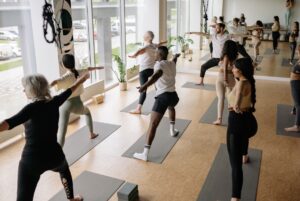
Integrative health approaches, such as yoga or t’ai chi may assist with building strength, coordination, range of motion, and energy reserves or activity tolerance. Guided meditation, imagery, and mindfulness can assist with motor nerve pathways and positive imagined outcomes to restore function and well-being.

Cardiopulmonary and Medical Conditions
Cardiovascular conditions, such as heart disease or peripheral vascular disease can impact a person’s endurance and stamina to be able to participate in activities of daily living. Stress may be a significant factor that impedes participation in functional tasks. There is often a lifestyle and stress component that contributes to health conditions, including cardiopulmonary conditions. A person can be supported through various form of massages and bodywork, such as acupressure or reflexology, to lower stress and increase stamina. Mindfulness meditation and activities can assist a person to better cope with limitations and move toward regaining function. Energy healing may calm the nervous system and restore homeostasis through the relaxation response. The relaxation response can support mental functioning, lowering stress, anxiety, and insomnia.
Prevention and Wellness
One of the areas that is often overlooked in healthcare is prevention and wellness, as it is often focused on disease or symptom management instead of health and well-being. Integrative health can be incorporated into daily activities to support staying well before onset of disease. For example, a daily practice of utilizing aromatherapy to balance mood, stress, and emotions is a simple way to stay grounded and connected to nature. Breathwork or breathing practices, such as taking in the pleasure of aromatherapy, can reset the nervous system by engaging the vagus nerve and restoring the mind-body-spirit to a sense of calm or homeostasis.
“An ounce of prevention is worth a pound of cure.”
Several Integrative Health Approaches
These are just examples of how integrative health can support occupational outcomes through occupational therapy. Occupational therapists can take continuing education to understand and learn how to incorporate these approaches in practice.
Please join me, Emmy Vadnais, OTR/L, for a continuing education class at 9:00 a.m. – 12:00 p.m. on May 8 for a live class Common Conditions in OT Supported by Integrative Health: Evidence-Based Strategies to Improve Function and Well-Being.
Learn more and register here. You can join live, and there is a recorded option available.
In this class, we will explore common conditions encountered in occupational therapy practice and introduce integrative, evidence-based strategies that may support function and well-being. Occupational therapy practitioners will learn about integrative, whole-person approaches to guide treatment for individuals experiencing a wide range of conditions across the lifespan, including neurological conditions (such as stroke and traumatic brain injury), orthopedic injuries, chronic illness and pain, mental health conditions, and age-related changes such as dementia. Many of these conditions involve complex, overlapping challenges, including fatigue, pain, cognitive changes, stress, and decreased participation in daily activities.
Rather than solely focusing on individual diagnoses, this course emphasizes underlying mind-body-spirit patterns seen across conditions and explores practical approaches that can be applied across a variety of clinical settings and populations. Participants will learn how to incorporate techniques such as breathing strategies, guided imagery, sensory-based approaches, and energy balancing approaches into occupational therapy interventions. Emphasis is placed on clinical reasoning, safety, and alignment with occupational therapy scope of practice. Case examples will be used to support application to real-world practice.
Leave a Reply